About
A study in ephemeral experience
Desglose is organized around practice rather than explanation. It treats perception, memory, and the body as primary sites of knowledge—valuing lived experience over abstraction.
Desglose is a living school of thought and conceptual design studio for philosophical ritual, perceptual study, and communal practice — in-person and unfolding over time.
Blending philosophy, spatial design, and memory to study the conditions that shape perception and relation.
Our experiential methodology is designed to expand human capacity for stillness, attention, and emotional awareness.
Through movement, perceptual study, sound, ritual, and communal exchange, Desglose creates conditions where inner architectures can be observed, deconstructed, and reorganized through lived experience.
A WAY TO BE SEEN, A PLACE TO BELONG

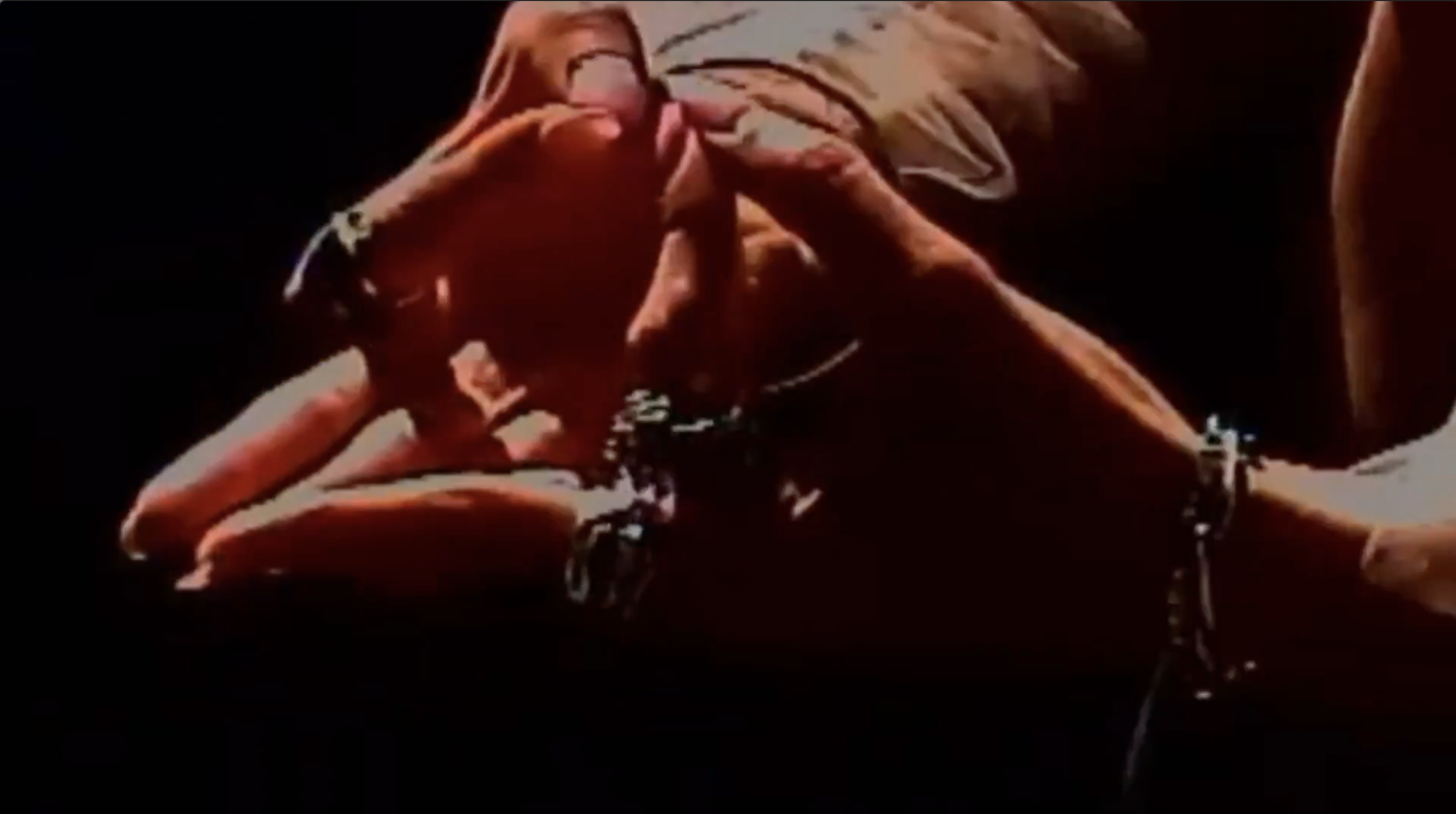
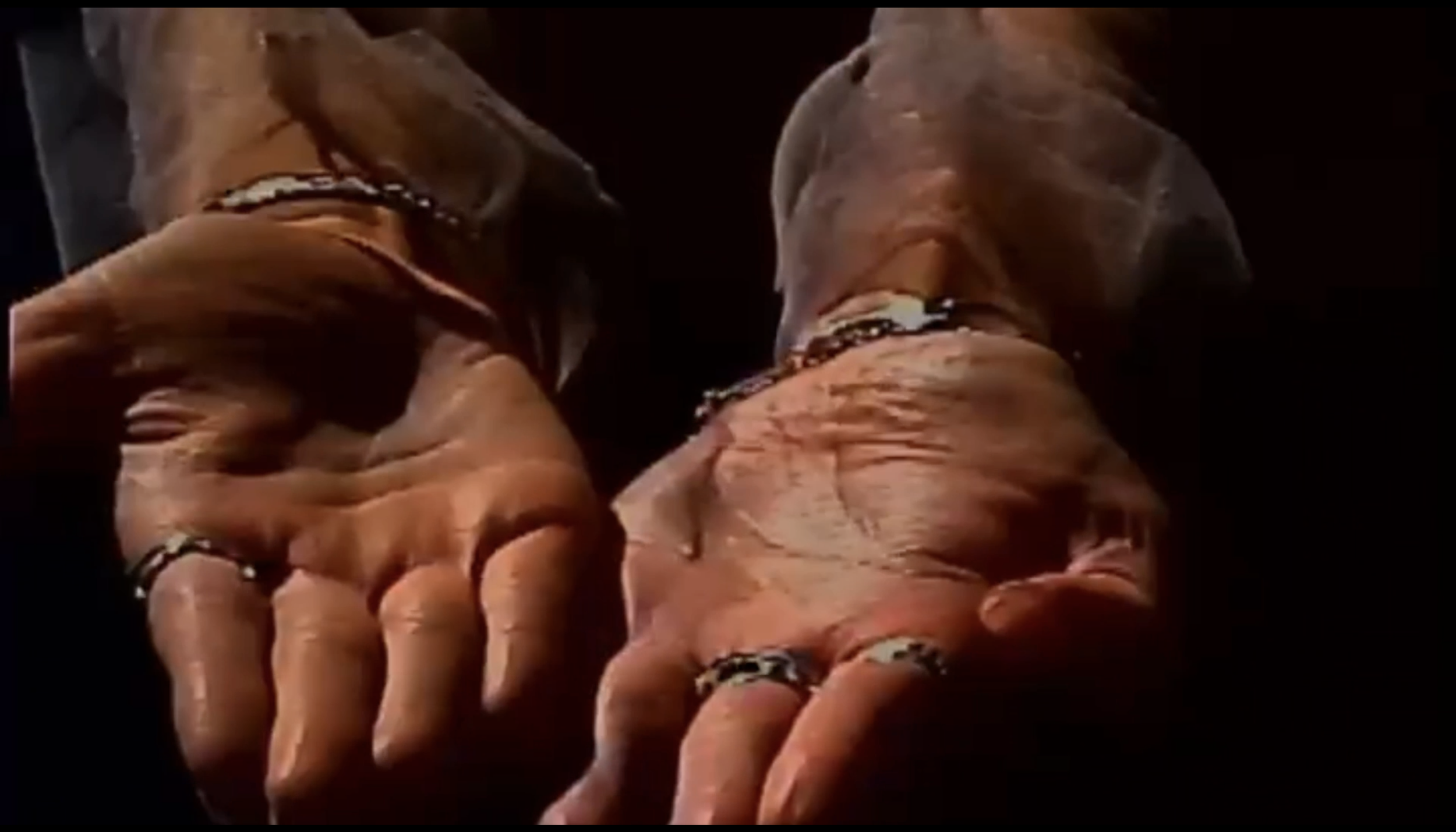
Kyros is a philosophical practice and experimental method where temporal awareness, energetic sequencing, and experiential inquiry form a ritual of discovery and memory. Structured as a three-part ritual in time.
Rather than technique, Kyros is oriented toward time and sequence, approaching the body as an energetic archive of rhythm and memory. Kyros holds attention inside lived time.
KYROS - Ritual + Movement
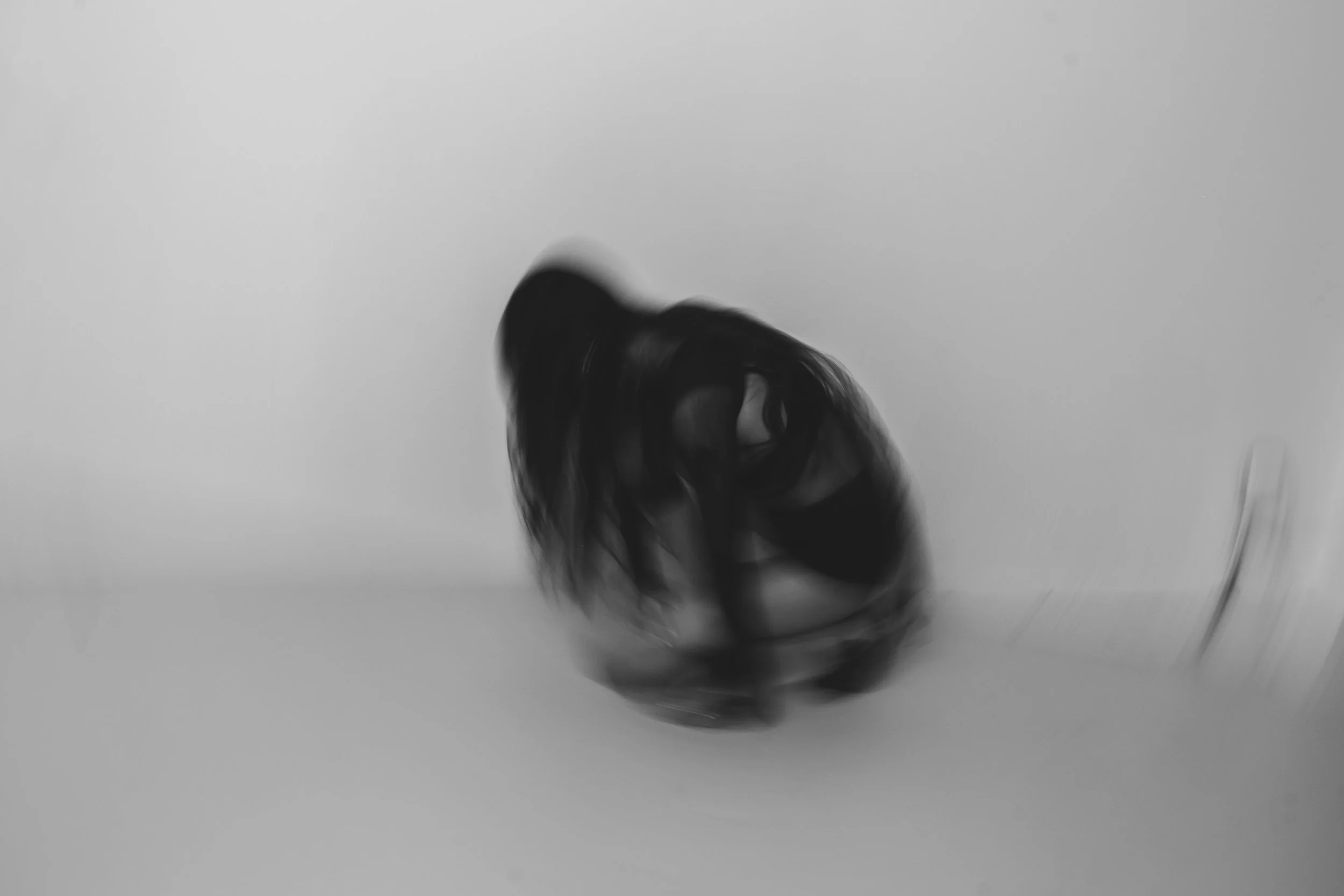
The Field of Perception is a quiet space for perceptual study and shared listening. The practice is held collectively, through listening, reflection, and quiet exchange.
Here, perception is treated as a discipline—studied through attention, sensation, and the space between response and meaning. The Field of Perception holds attention in the act of noticing.
Field of Perception - Perceptual Study
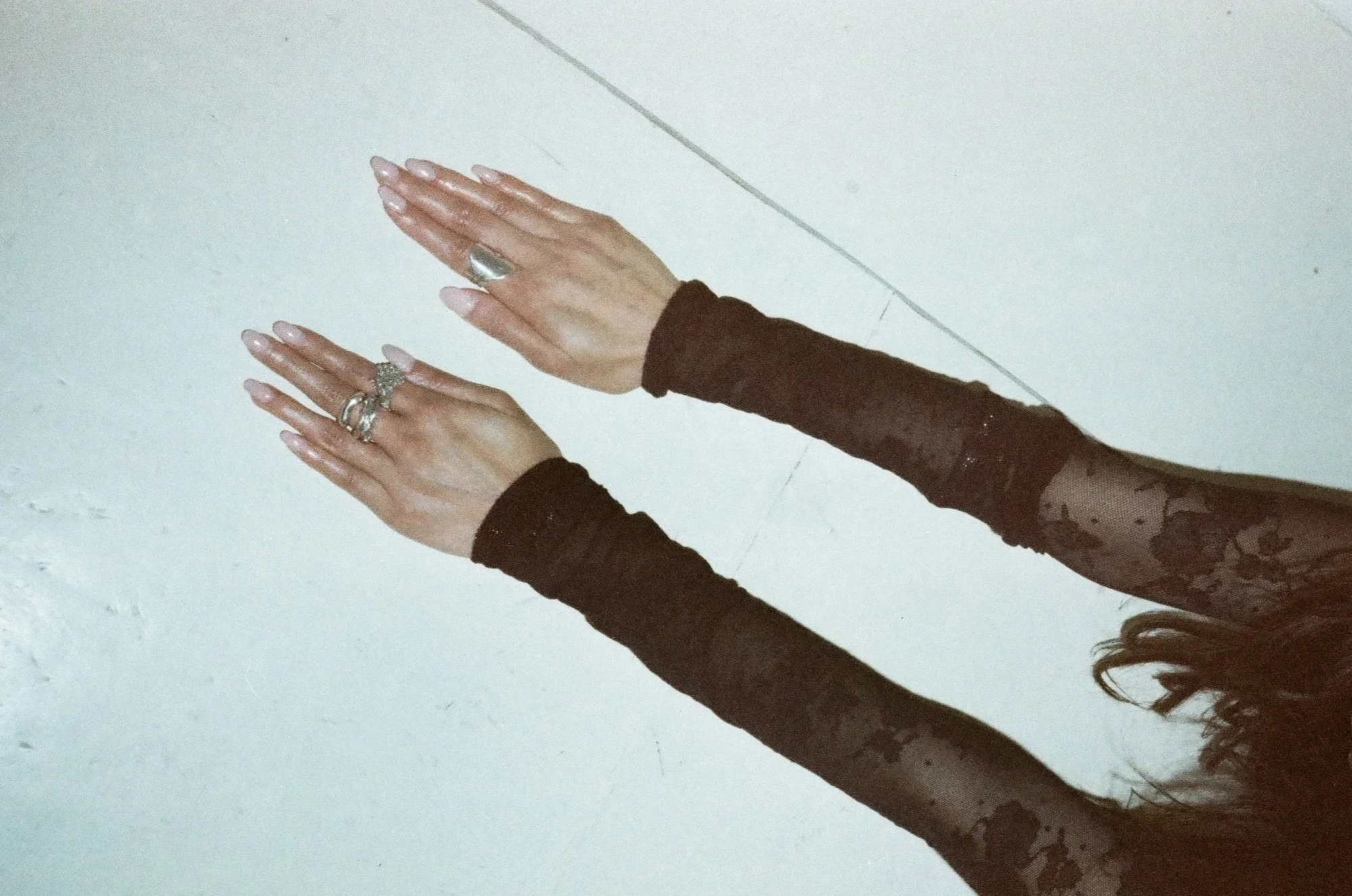
The Divided Self is a shared dinner ritual shaped by the 11 Perceptions of the Moment. A framework composed of 11 moments of perception, experienced in time, collectively.
The Divided Self - Communal Practice
Learn More →
Capacity for Depth
We don’t suffer from a lack of content; we suffer from a loss of capacity. The ability to remain, to remember, to sense continuity, and to stay with experience has eroded.
Through this work, stillness becomes a practice rather than an absence. You begin to restore the spatiotemporal loop—reconnecting memory to place, past to present, and attention to the body—so depth can return. By creating conditions for silence, duration, and presence, we expand our capacity to feel, listen, and perceive more fully.
The problem is not short attention spans.
It is diminished capacity. This work creates space so those capacities can return. To remember what we’ve forgotten.
“I experienced a sense of vulnerability, being confronted with emotions and thoughts I don’t always think about. But I was also comforted by the fact that collectively, there was a sense of resolve.”
-Reflections from participants
Stillness — the ability to remain without stimulation
Duration — staying with something long enough for meaning to form
Memory — continuity between past, present, and future self
Embodied Attention — sensing before interpreting
Silence — not as absence, but as a generative field
Depth — moving beyond surface cognition
Patience — allowing emergence rather than forcing outcomes
Presence — sustained contact with what is happening now
Listening — receiving without preparing response
Capacity for the unknown — staying with and trusting ambiguity
Capacities Fragmented by Modern Life
These are missing because modern systems reward fragmentation, not because people don’t care .